
Safe behavior starts in the brain.
Brain Based Safety translates recent insights from brain science into desired behavior within organizations. Not with even more rules, but with a grip on behavior. And that also gives you a grip on safety, quality and sustainability.
More rules won't change behavior. The brain will.
Most of our behavior never passes through consciousness. So if you ask “why weren’t you thinking?” after an incident, you are asking the wrong question. Instructions reach only a fraction of what drives behavior: three systems in the brain do the rest.
Preprogrammed by evolution
Fully present at birth and entirely unconscious. It carries our primal instincts: survival, living together, reproduction. Intuition is the oldest warning signal: it senses that “something’s off” before language can name the danger.
A colleague collapses in a confined space. The rescuer rushes in without thinking. The rescue instinct explains why victims there often fall in groups.
Everything learned, everything on pattern
The autopilot is empty at birth. Everything in it is learned. It runs on patterns and sometimes stays seconds ahead of your consciousness. In stable conditions, an ingrained pattern reliably beats every good intention.
A welder tightens the same clamp for the thousandth time, exactly as always. That same autopilot keeps going even when the situation has just changed — and that is the risk.
Powerful, but slow and single-track
Here-and-now awareness of being and acting. Young in evolutionary terms. Creative and forward-thinking. Because it has no fixed patterns, it is slow. What’s more, it can only do one thing at a time and needs at least half a second to turn a perception into action.
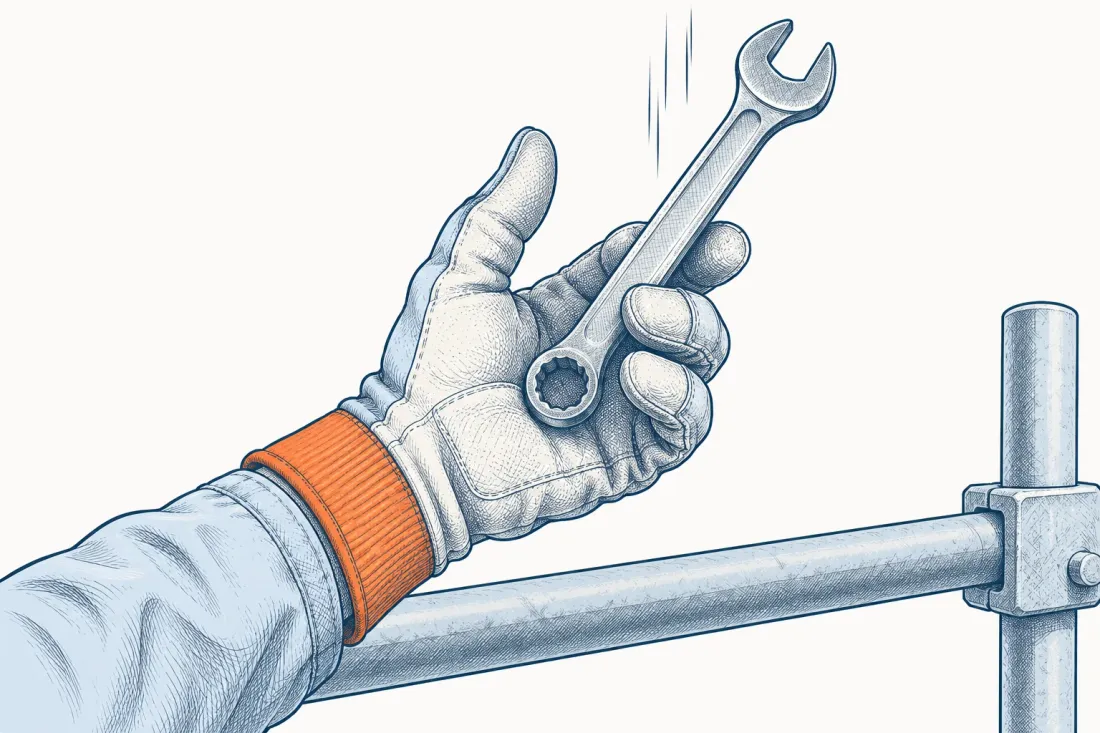
An operator hears a sound that shouldn’t be there, stops and looks first. That is the conscious mind at its strongest: not doing everything itself, but keeping watch.
Grip on behavior
The three systems constantly send signals about what you should do. Sometimes the three don't agree. Then a vote is held. The conscious mind usually has the fewest votes. If you want safe behavior, you work with this architecture, not against it. That is Brain Based Safety.
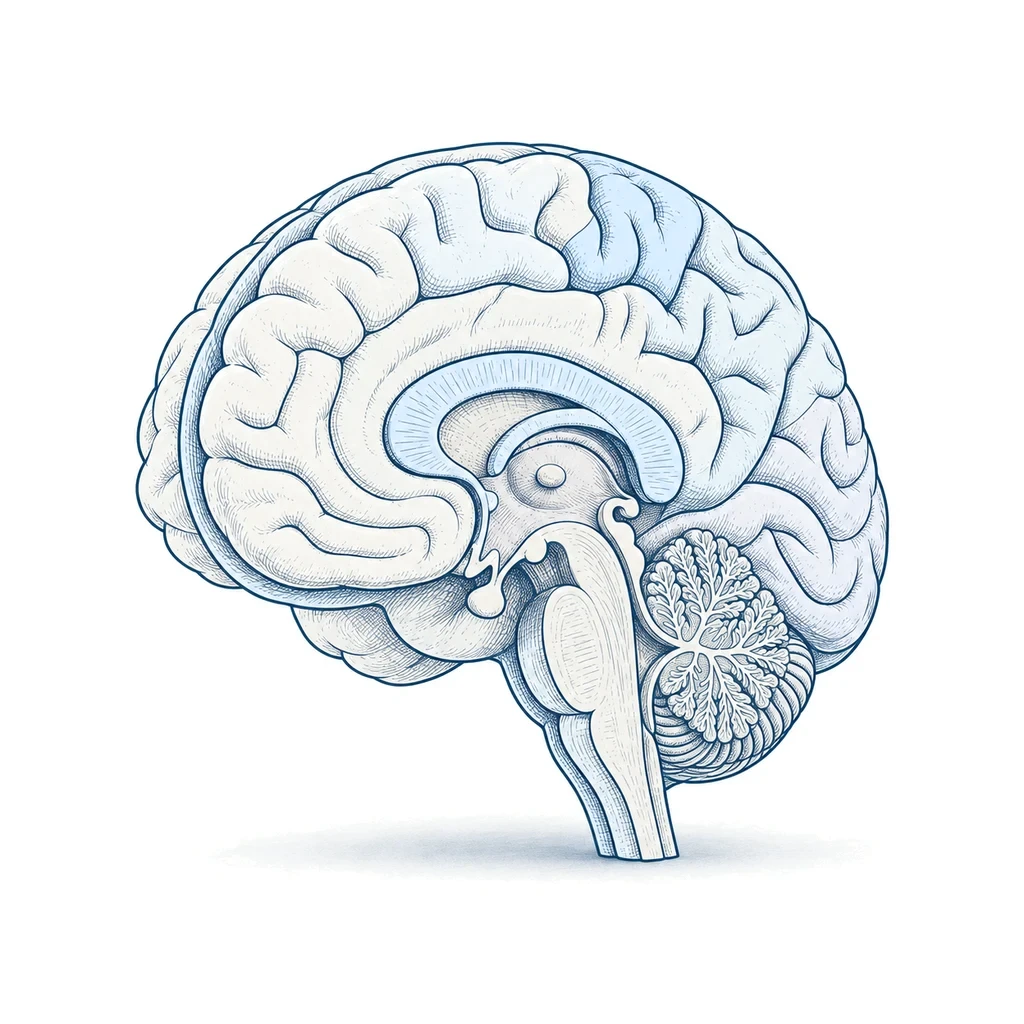
Explore the thirteen regions of the brainPart 1
Discover
Part 2
Introduce
Part 3
Integrate
Contents · what we do
Where would you like to start?
Brain Based Safety works in three parts. Start where your organization is today.
Part 1
Discover
Discover and understand. Read how the brain drives safe behavior.
Part 2
Introduce
Experience it in practice. The Safety Day starts with a free basic package.
Part 3
Integrate
Embed it in your organization for the long term.
Chapter 1 · The brain decides first
Your brain chooses.
You hear about it half a second later.
The autopilot runs 0.3 to 8 seconds ahead of your awareness1. You need at least half a second to turn a perception into an action2. In an incident, that is often too late.
That is why “why weren’t you thinking?” is the wrong question. Most behavior arises in the autopilot and never passes through conscious thought.
1 Visible in EEG and MRI research. 2 Both from: Brain Based Safety, theory (2017), part I.
Experiment · two minutes
Who’s really in the driver’s seat?
Three quick tests. At the end, you’ll see how often your autopilot took the wheel.
- Test 1Pick the color, not the word, under time pressure
- Test 2Read a short sentence: what did it say?
- Test 3A math problem in twenty seconds
Take a moment, and get your mouse or finger ready.
Learning is easier than unlearning
lecture 1 · learningChapter 2 · What this means for safety
Four lessons that change the way you look at safety
Don’t ask why someone wasn’t thinking
Most rule violations are not a conscious choice. The “why” question helps you analyze a process, not understand human behavior.
In practiceAfter an incident, look at patterns and circumstances, not at blame.
Explaining is not enough; practice makes the pattern
A new insight does not automatically lead to different behavior. New patterns form through practice in the setting where they are needed.
In practiceThe first day in a new role counts the most: patterns are not yet set.
Design the here and now
The autopilot responds to what it sees, not to what is written somewhere in a procedure. What you see is all there is.
In practiceMake sure the safe way is also the easiest and most visible way.
Take intuition seriously
Intuition is the oldest warning signal: it senses that “something’s off” before language can name the danger.
In practiceMake room for the colleague who says: something isn’t right here.
Sound familiar?
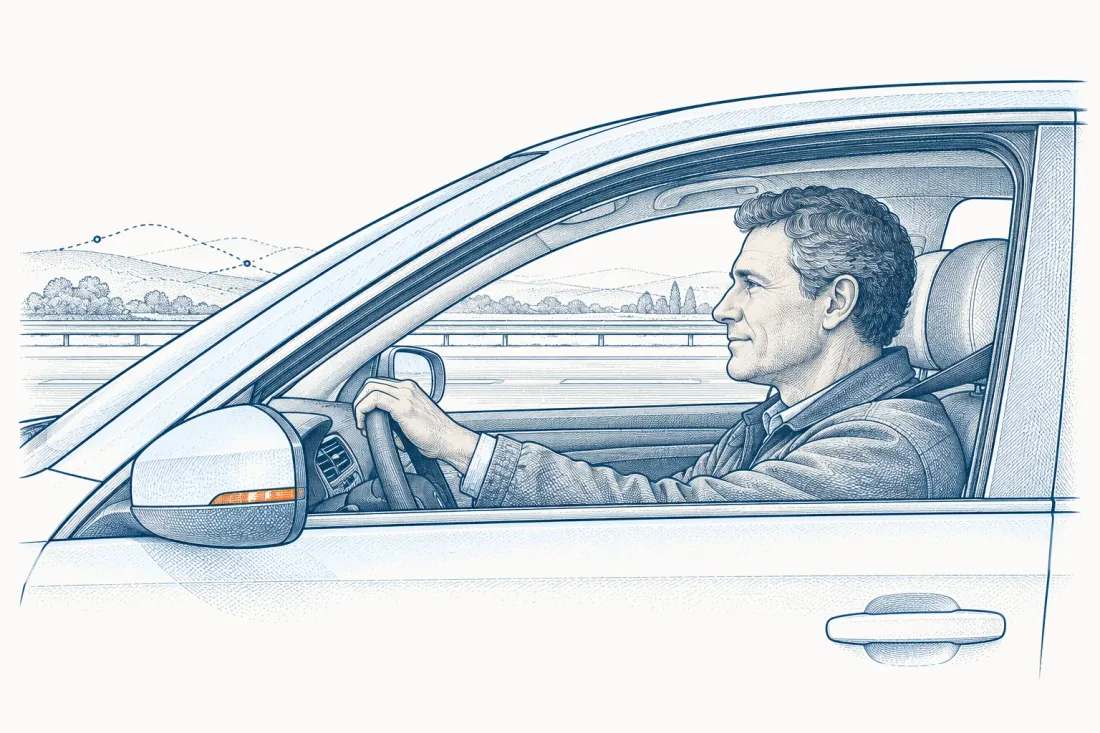
You drive to work, but afterward you can’t remember how you got there. That same autopilot also carries out your actions on the shop floor, including the unsafe ones.
Read the theory →Experiment · perception
What do you read in the middle?
Look at the character in the middle and choose what you read.
Grip on Behavior survey · example
See where it chafes
With the Grip on Behavior survey, you see for each theme where safe behavior comes easily and where it chafes, and how groups in your organization differ. Below are all ten themes with example scores, so they do not come from a real client.
- Operational staff
- Office
- First-line supervisor
- Management
| Theme | Operational staff | Office | First-line supervisor | Management |
|---|---|---|---|---|
| Setting goals | 9 | 20 | 15 | 20 |
| Balancing | 42 | 42 | 48 | 53 |
| Leading | 58 | 65 | 70 | 81 |
| Working together | 55 | 61 | 64 | 72 |
| Being social | 48 | 69 | 64 | 79 |
| Reporting | 47 | 60 | 57 | 67 |
| Regulating | 56 | 59 | 61 | 66 |
| Readiness | 29 | 32 | 31 | 33 |
| Risk awareness | 48 | 61 | 56 | 63 |
| Organizing | 62 | 63 | 70 | 77 |
What stands out?
Setting goals and Readiness score lowest in every group. And managers see leadership through rosier glasses than operational staff: 81 versus 58. A score is not a judgment of people, but a starting point for the conversation: where do we see the same thing differently, and why?
More about the survey →From practice
Recognizing unconscious behavior, but also being able to put it into words. That is the big gain.
Tom Mulder, Safety Advisor, Koopmans Bouwgroep (paraphrased from an interview)
“In our organization, people know the Brain Based Safety program and the thinking behind it. So that is also how we talk to each other.”
Otto van der Pluijm, Managing Director, Kondor Wessels Amsterdam (paraphrased from an interview)


























Lectures · 2.2
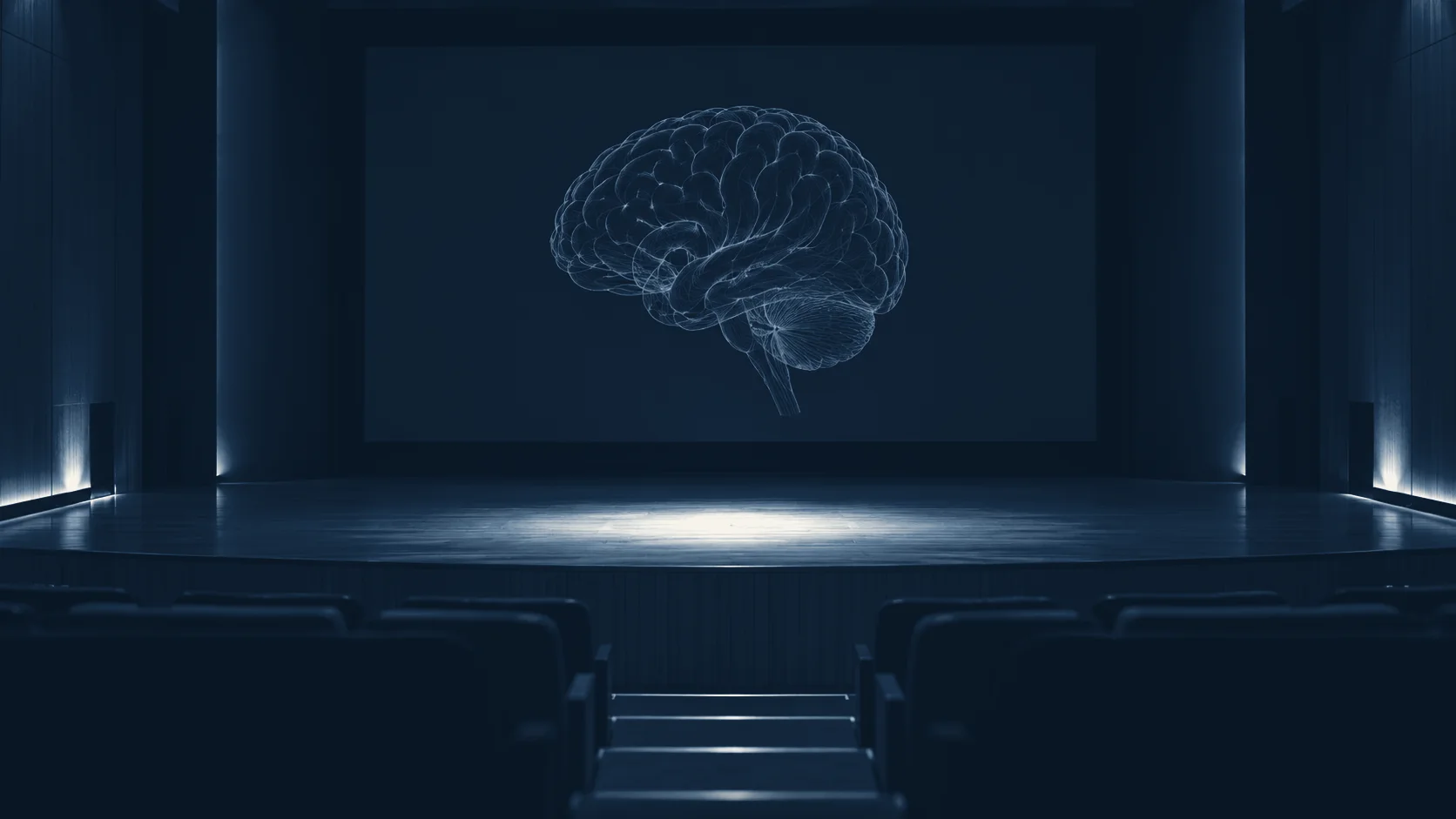
A lecture that sticks
The brain and safe behavior, explained to your entire organization.
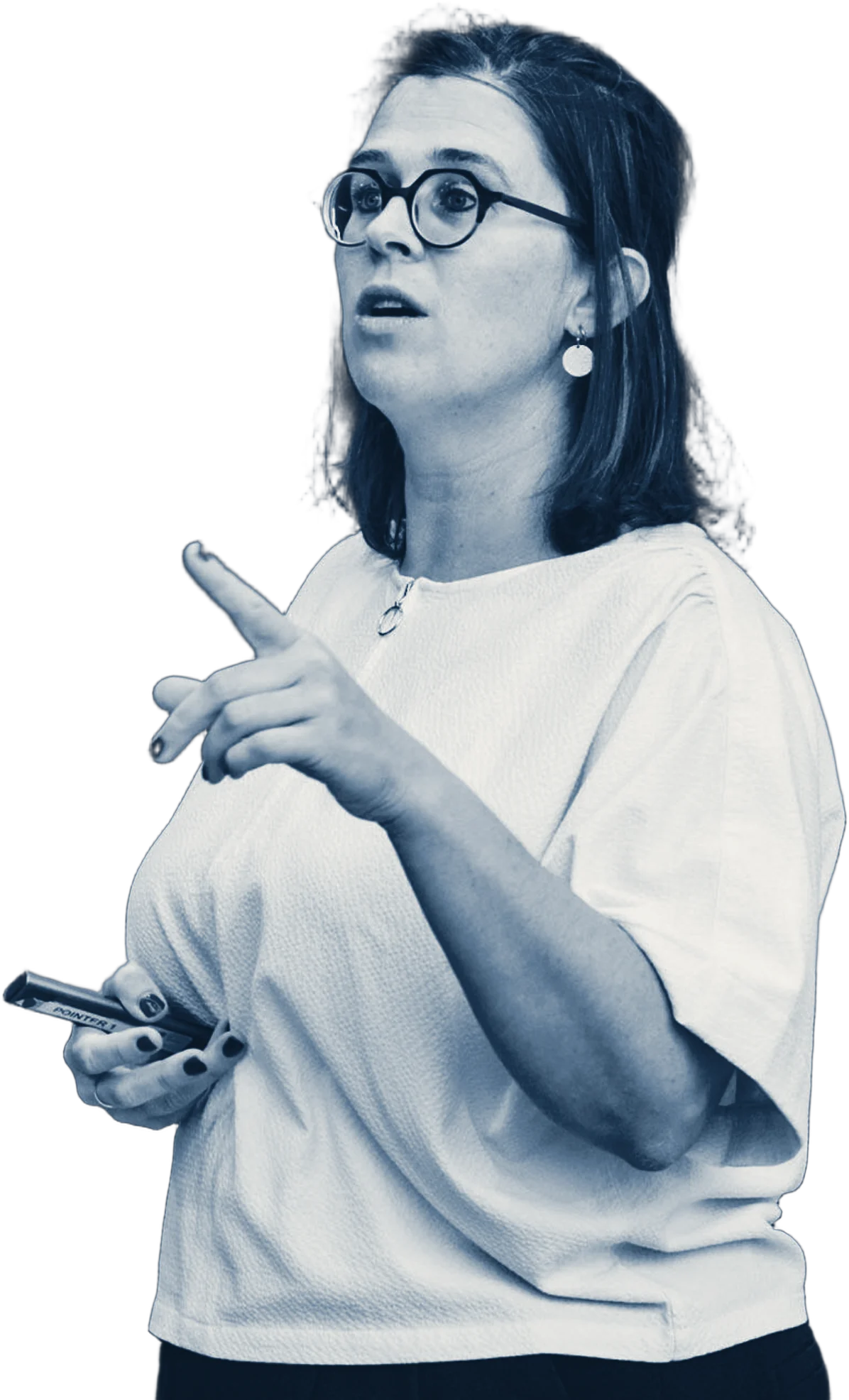
Annelies de Ruijter giving a lecture.
View lectures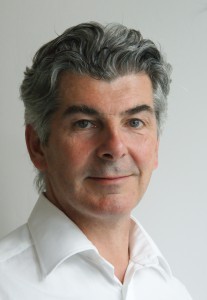
Juni Daalmans
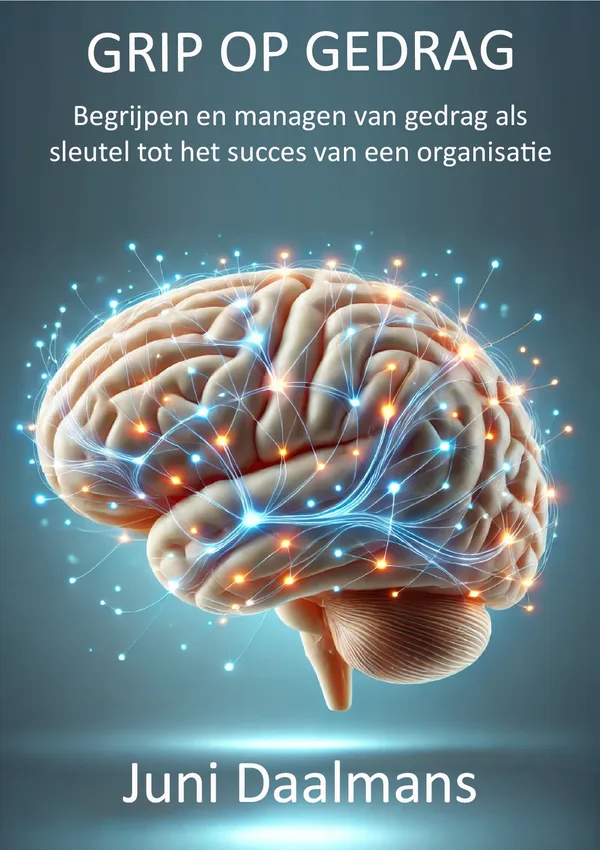
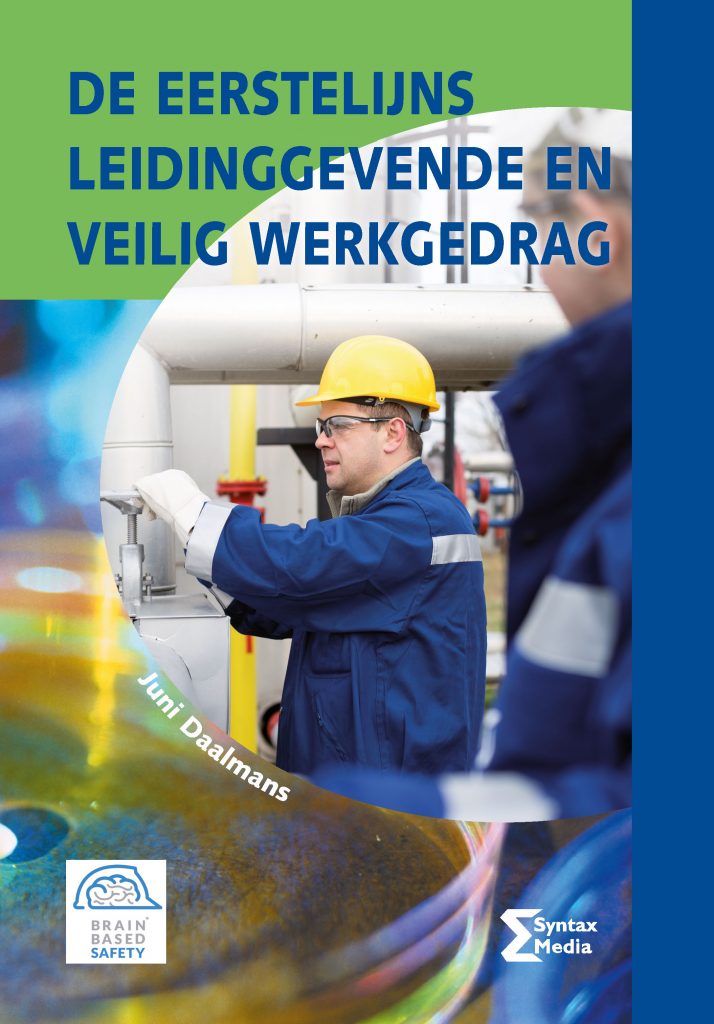
Organizational psychologist and founder of Brain Based Safety. Author of Grip op gedrag (Grip on Behavior) and the English-language book Human Behavior in Hazardous Situations — the foundation of a method that translates neuroscience into the everyday practice of safety.
Newsletter
Stay up to date
New insights, blog articles and open training sessions from Brain Based Safety, straight to your inbox. You can unsubscribe at any time via the link at the bottom of every email.
Curious what this means for your organization?
Briefly tell us what you are working on; we are happy to think along with you, without obligation.